How Wildfire Smoke and Summer Heat Affect Your Okanagan Landscape
If you’ve lived in the Okanagan for any length of time, you’ve probably noticed that summer has become increasingly unpredictable. One week we’re enjoying warm evenings on the patio, and the next we’re dealing with extreme temperatures, water restrictions and skies filled with wildfire smoke. While these conditions can put a damper on outdoor activities, they also take a significant toll on your landscape. Lawns become stressed, plants struggle to thrive and irrigation systems are forced to work harder than ever.
The good news is that a healthy landscape can withstand these conditions much better than one that wasn’t properly designed or maintained. Understanding how heat and smoke affect your property can help you make better decisions throughout the season and prepare for a healthier, more resilient yard in the months ahead.
Wildfire Smoke Affects More Than Visibility
Most people think of wildfire smoke as an inconvenience, but it can also impact the health of your plants. Smoke reduces the amount of sunlight reaching leaves, slowing the process of photosynthesis that plants rely on for growth. While a few smoky days usually won’t cause permanent damage, extended periods of poor air quality combined with extreme heat create additional stress that many landscapes struggle to overcome.
Newly planted trees, shrubs and perennials are especially vulnerable because their root systems haven’t fully established. If you’ve recently completed a landscaping project, paying close attention to watering schedules becomes even more important during smoky conditions.
Heat Places Extra Stress on Every Landscape
Long stretches of temperatures above 30°C can quickly dry out soil throughout the Okanagan. Clay soils become hard and compacted, while sandy soils lose moisture rapidly. Even mature plants can begin showing signs of stress if irrigation isn’t keeping pace with evaporation.
Common symptoms include:
- Brown or curling leaves
- Wilting despite regular watering
- Dry patches in the lawn
- Premature leaf drop
- Cracking soil around plants
These symptoms don’t always mean your plants are dying. In many cases they’re simply conserving moisture until conditions improve.
Watering Smarter Matters More Than Watering More
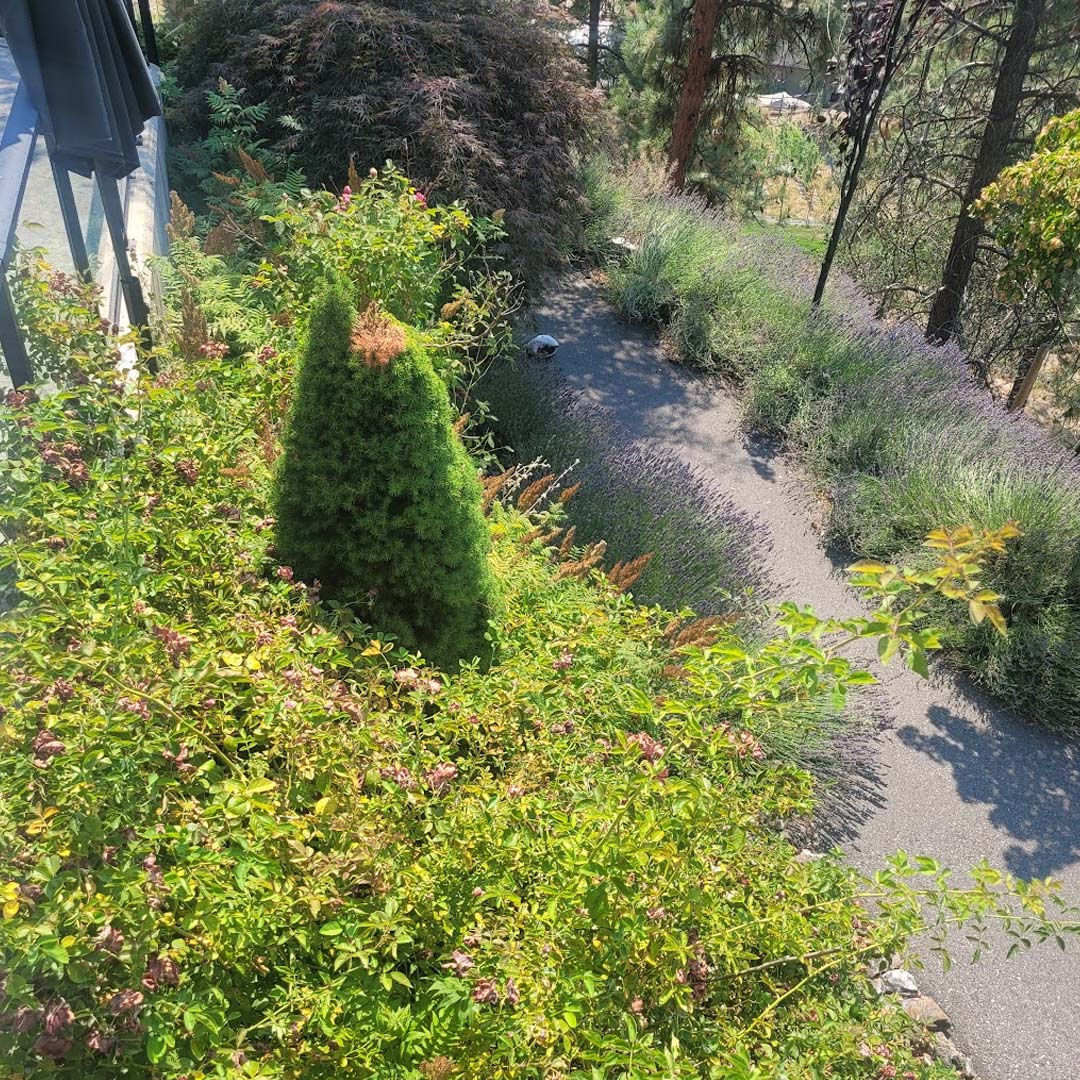
One of the biggest mistakes homeowners make during hot weather is watering more frequently for shorter periods. Shallow watering encourages shallow root systems, making plants even more dependent on daily irrigation.
Instead, deep watering a few times each week encourages roots to grow deeper into the soil where moisture remains available longer. Running irrigation early in the morning also reduces evaporation and gives plants time to absorb water before temperatures climb. For more seasonal maintenance advice, read How to Keep Your Landscape Looking Great During an Okanagan Summer, where we cover watering, pruning and keeping your property looking its best during the hottest months.
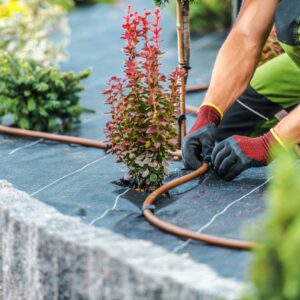
If your irrigation system hasn’t been inspected recently, midsummer is an excellent time to ensure every zone is operating properly. Broken heads, clogged nozzles and uneven coverage often go unnoticed until portions of the landscape begin struggling.
If you’re unsure whether your irrigation system is performing efficiently, consider scheduling an inspection before the hottest part of summer arrives.
Healthy Soil Makes a Big Difference
A landscape’s ability to handle heat begins below the surface. Healthy soil retains moisture more effectively while allowing roots to access oxygen and nutrients.
Adding mulch around trees, shrubs and garden beds helps regulate soil temperatures, slows evaporation and reduces weed growth. Organic mulch also gradually improves soil quality as it breaks down over time.
During prolonged hot weather, it’s generally best to avoid heavy fertilizing. Encouraging rapid new growth places additional demands on plants that are already dealing with stressful conditions.
Summer Is a Good Time to Evaluate Your Landscape
Ironically, some of the best landscaping decisions are made during the hottest months of the year. Summer quickly reveals which plants are thriving, which irrigation zones need improvement and where drainage or grading issues become more apparent.
If parts of your landscape consistently struggle every summer, it may be time to rethink the design rather than simply replacing the same plants year after year.
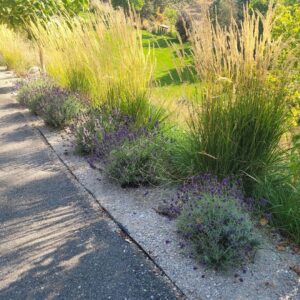
Choosing drought-tolerant plants and designing with long-term maintenance in mind can dramatically reduce watering and upkeep. Our article on Low-Maintenance Landscaping Ideas for Okanagan Homes explores some of the best options for local properties.
Many homeowners choose late summer or early fall to begin planning improvements that include:
- More drought-tolerant plant selections
- Improved irrigation efficiency
- Additional mulch and soil amendments
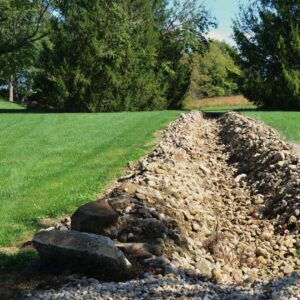
- Better grading and drainage
- New patios or hardscape features
- Retaining walls to better manage sloped areas
- Outdoor living spaces designed for long-term durability
Many homeowners are also investing in outdoor living spaces that are easier to enjoy throughout the season. Take a look at Outdoor Living Trends in Kelowna: What Homeowners Are Adding in 2026 for inspiration. Concrete patios, walkways and outdoor entertaining areas are also popular upgrades because they add functionality while requiring very little maintenance. Learn more about our Concrete Services if you’re planning improvements before fall.These improvements often reduce maintenance while making landscapes better suited to Okanagan conditions.
Don’t Wait Until Everything Dies
One of the most common conversations we have with homeowners begins with, “I wish we had called sooner.”
Many landscape problems can be corrected before they require complete replacement. Irrigation adjustments, drainage improvements and thoughtful plant selection often restore struggling landscapes without starting over from scratch.
Even if you’re not planning a major renovation this year, having your property professionally evaluated can help you prioritize improvements and develop a long-term plan that fits your budget. If you’re wondering what those improvements might cost, our guide to How Much Does Landscaping Cost in Kelowna? A Homeowner’s Breakdown explains the factors that influence pricing and how projects can often be completed in phases.
Looking Ahead to Fall
Although wildfire smoke and summer heat can be frustrating, they’re also reminders that every landscape should be designed with local conditions in mind. Choosing the right plants, building healthy soil, installing efficient irrigation and planning hardscape features appropriately all contribute to a landscape that performs better year after year.
If you’ve noticed areas of your yard that struggle every summer, fall is one of the best times to make lasting improvements. Planning ahead now allows projects to be completed before winter while giving new plants the opportunity to establish themselves in cooler weather.
Whether you’re looking to refresh a tired landscape, improve irrigation efficiency or completely redesign your outdoor space, Fuller’s Landscaping can help you create a property that’s built specifically for the unique climate of the Okanagan.
Frequently Asked Questions
Does wildfire smoke damage plants?
Short periods of smoke generally won’t cause permanent damage, but prolonged smoke combined with extreme heat and drought can increase stress on trees, lawns and garden plants.
Should I water my lawn more during smoky weather?
Not necessarily. Deep, infrequent watering is usually more effective than watering lightly every day, as it encourages deeper root growth.
Is summer a good time to landscape?
While new planting may be more challenging during extreme heat, summer is an excellent time to evaluate how your landscape performs and begin planning improvements for late summer or fall installation.
What plants perform well in the Okanagan?
Drought-tolerant species that are well suited to the Okanagan climate generally require less water and perform better during periods of heat and smoke.