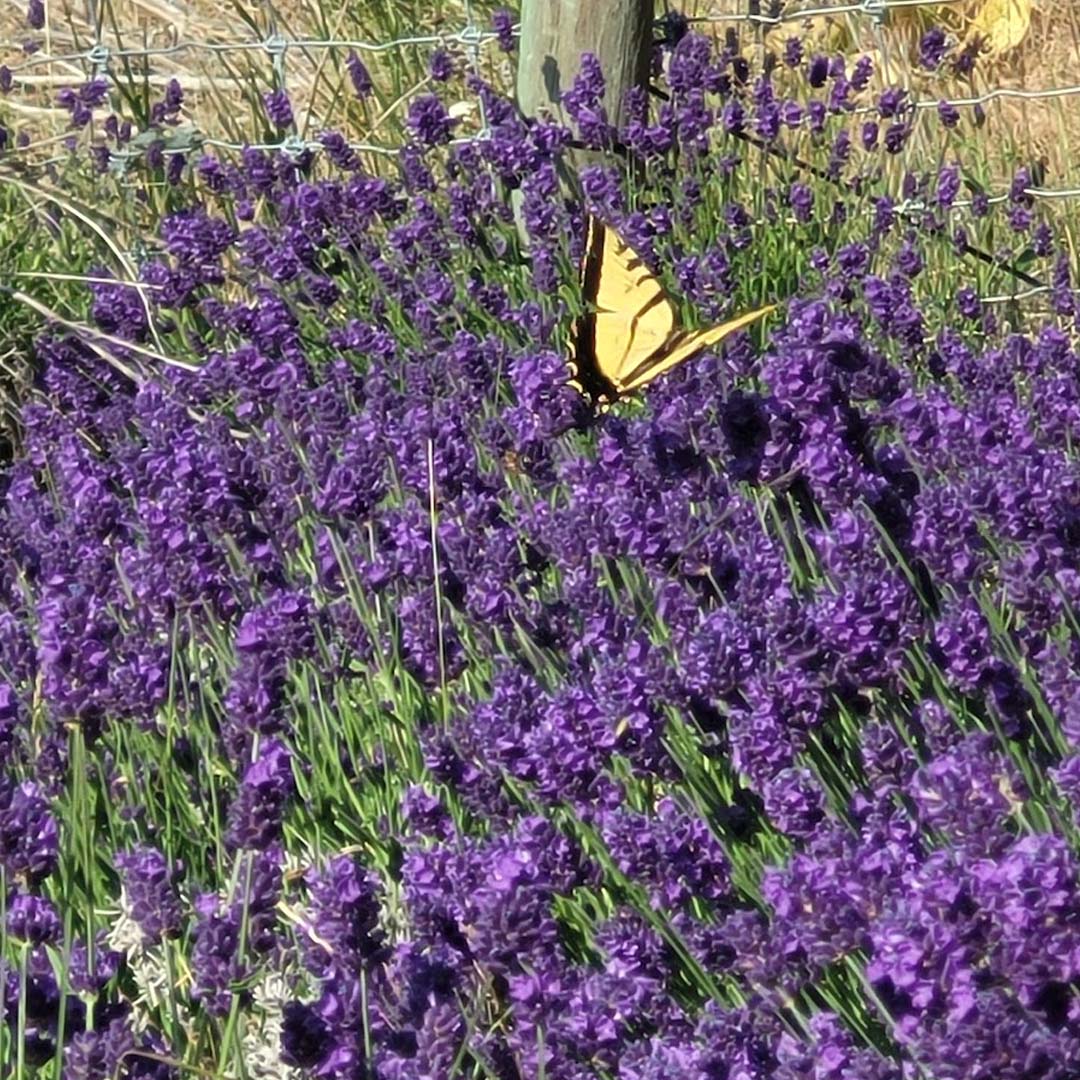
Creating a yard that attracts pollinators is a great way to help out the environment. Bees, butterflies, and hummingbirds play a crucial role in pollination. Designing your landscape to welcome them ensures your plants live a long time and brings life to your outdoor space.
Designing Your Pollinator-Friendly Yard
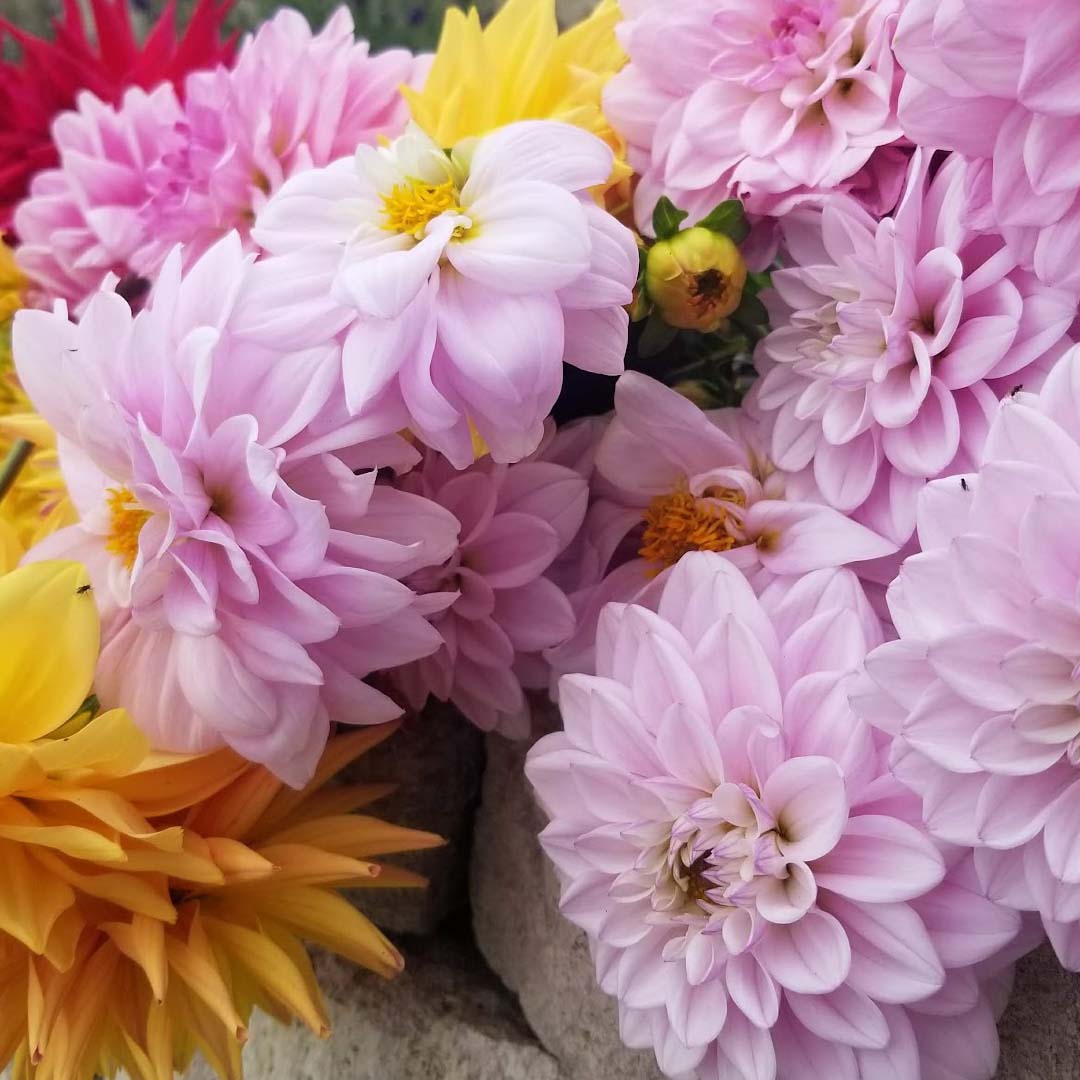
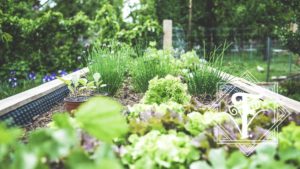
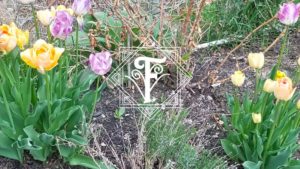
Pollinator-friendly landscaping often begins with plant selection. Native flowers are ideal because they provide the right food sources and bloom at the right time. Having variety in colour, shape, and bloom periods ensures pollinators have food throughout the season.
In addition to plants, consider water sources around your property. A shallow birdbath or small pond gives pollinators a place to hydrate. Even water features like a fountain can do the trick in attracting the right species. Avoid pesticides that harm beneficial insects. If you want to go the extra mile, consider adding small shrubs or hollow logs to offer shelter and nesting spots.
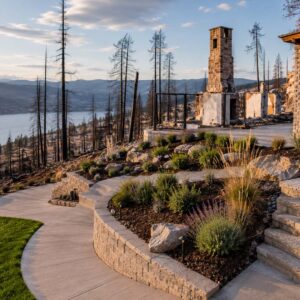
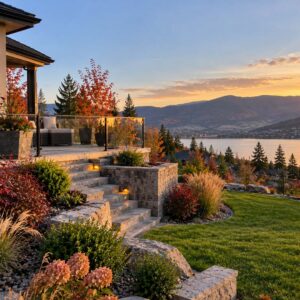
Your garden’s design should also consider movement. Planting in clusters rather than rows allows pollinators to find food efficiently. Pathways or patios can be integrated to enjoy the yard without disturbing their habitats. This way you can meander through your garden and view all of the wildlife you’ve been able to cultivate!
Contact us Today!
A pollinator-friendly yard supports the environment and adds vibrant life to your property. Thoughtful plant choices, water features, and shelters create a balanced landscape. For homeowners searching for landscape and design near me, focusing on pollinators brings lasting value and beauty. Contact us today to reserve your spot for the spring landscaping season!
FAQ on Landscape and Design Near me
What plants attract pollinators the most?
Native wildflowers, lavender, and coneflowers are excellent choices. Diversity is important.
How much space do pollinators need in a yard?
Even small gardens can provide food and shelter. Clusters of plants work better than isolated flowers.
Are pollinator gardens high maintenance?
They require regular watering and pruning but are generally easy to maintain once established. Especially when you use native plants.